
Paint Jet
Periodic inspection of textile jet dyeing machines: vessel body, lid seal, safety valve and pressure gauge examination. Signed reports by authorised engineers.
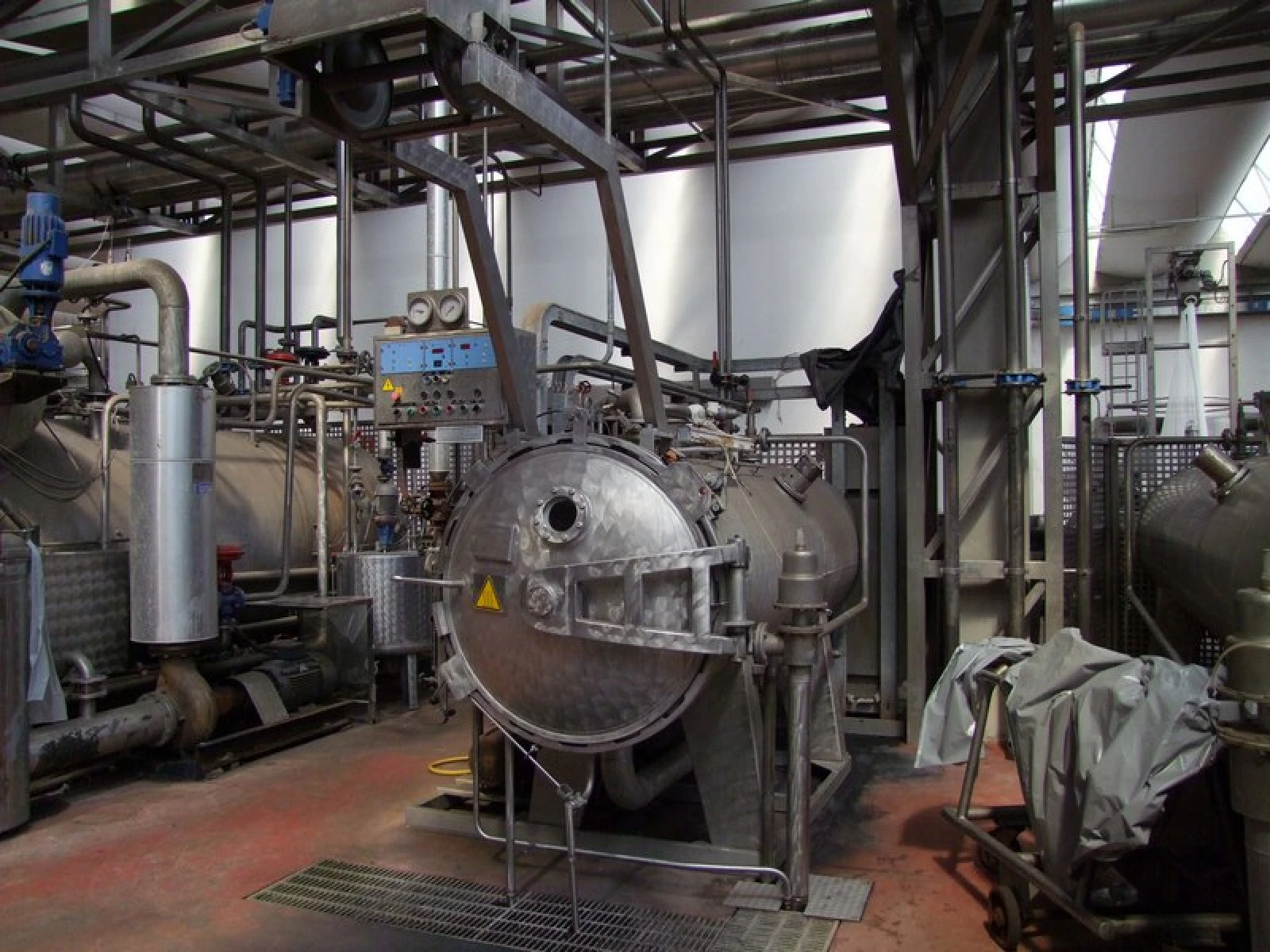
Paint jet periodic inspection (jet dyeing machine inspection) is the examination and testing, by authorised engineers, of the closed pressurised dyeing machines used to dye synthetic and cellulosic yarn and fabric at high temperature and pressure in the textile sector. The vessel body integrity, lid safety and pressure control equipment are assessed.
What Is a Paint Jet (Jet Dyeing Machine)?
A jet dyeing machine is a closed, pressurised reactor vessel in which the dye bath is circulated at high velocity through a nozzle to move the fabric. Dispersed dyeing processes may reach 130-140°C; at that temperature the saturated steam pressure rises far above atmospheric value, so the machine is designed as a pressure vessel and protected by safety devices. Key components inspected:
- Boiler/body shell and welded joints
- Lid, gasket and locking (safety interlock) mechanism
- Safety valve, pressure gauge and temperature control equipment
- Pressure switch, level control and automatic pressure relief line
- Circulation pump and heat-exchanger circuits
Periodic Inspection Items
Since a jet dyeing machine combines chemical and thermal fatigue, controls are carried out carefully:
- Body examination: Inspection of the inner and outer surface for corrosion, wear, weld cracks and dye/residue deposits.
- Lid and gasket check: Condition of the sealing elements and functional test of the lock that prevents the lid opening under pressure.
- Safety valve and gauge: Verification of the set pressure and calibration check of the indicator.
- Pressure test: Non-destructive testing or pressure tightness verification depending on the standard and equipment condition.
Legislation and Standards
Inspections are performed under Law No. 6331 and the Work Equipment Regulation. For pressure equipment, the 2014/68/EU (PED) is the reference, with TS EN 13445 for technical design and the 2006/42/EC Machinery Directive for machine safety. Unless otherwise stated, closed pressurised dyeing machines are inspected at least once a year.
Risk Factors That Make the Inspection Vital
In jet dyeing machines the body is exposed not only to pressure but also to repeated heating-cooling cycles in every dyeing batch. This thermal fatigue can gradually produce cracks and deformation, particularly at weld zones and gasket seats. The safety interlock that prevents the lid from opening under pressure is the most critical element for operator safety and must be functionally tested at every inspection. In addition, the corrosive environment created by dyes, auxiliary chemicals and bleaching agents increases the corrosion rate in carbon steel bodies; ultrasonic thickness measurement should therefore be repeated at tighter intervals on such vessels.
From a process safety standpoint, calibration of the pressure-temperature controllers, periodic blow-down testing of the safety valve and compression-deformation control of the lid gaskets are of vital importance. A faulty pressure switch or a frozen safety valve can allow the vessel to exceed its design pressure and release steam uncontrollably, causing serious injuries; a significant share of accidents recorded in the sector originates from poor maintenance of exactly these two components.
Outcome
At the end of the inspection, a signed periodic inspection report showing the deficiencies and compliance status is prepared. Jet dyeing machine inspections are part of our Periodic Inspection of Pressure Vessels group. For similar textile equipment you may review our Fixing Boiler and Autoclave pages, and contact us for a facility-specific programme.
FAQ on Dye Jet Periodic Inspection

A dye jet is a pressure vessel system dyeing textile fabrics and yarns inside a closed chamber at high temperature (typically 130-140 °C) under pressure. The temperature-pressure cycling, chemical contact and thermal fatigue accumulate hidden damage in the shell, lid-seal system and safety fittings over time. An error like opening the lid under pressure is a direct fatality risk, so the control is a regulatory duty.
Under the Work Equipment Regulation, pressure vessel periodic inspection runs at intervals not exceeding one year with the proof at 1,5 times operating pressure. Manufacturer manuals and the vessel design may shorten special periods; on high-cycle machines the interval should be risk-based tightened. Daily operator checks (lid lock indicator, leakage) do not replace the yearly engineering control.
Visual-corrosion examination of the shell and weld zones, thickness measurement where required; function of the lid locking (safety block) mechanism and verification of under-pressure opening prevention, safety valve set pressure and gauge control, temperature-pressure automation with limit-alarm-interlock chain trials, seal-groove wear, pump-nozzle hygiene and chemical-resistance control, plus electrical earthing-bonding continuity.
Each control is reported per equipment with measurement and test values; findings are classed fit / conditionally fit / unsafe. A machine whose lid lock is dead or whose safety valve is inconsistent is notified in writing for out-of-service; quick fixes like seals and calibration get a timed correction plan. The next inspection runs comparative against this report's reference values and records are kept in the OHS file.