
Steam Boiler
Periodic inspection of steam boilers: internal and external examination, hydrostatic testing and safety valve checks by KYF Test experts.
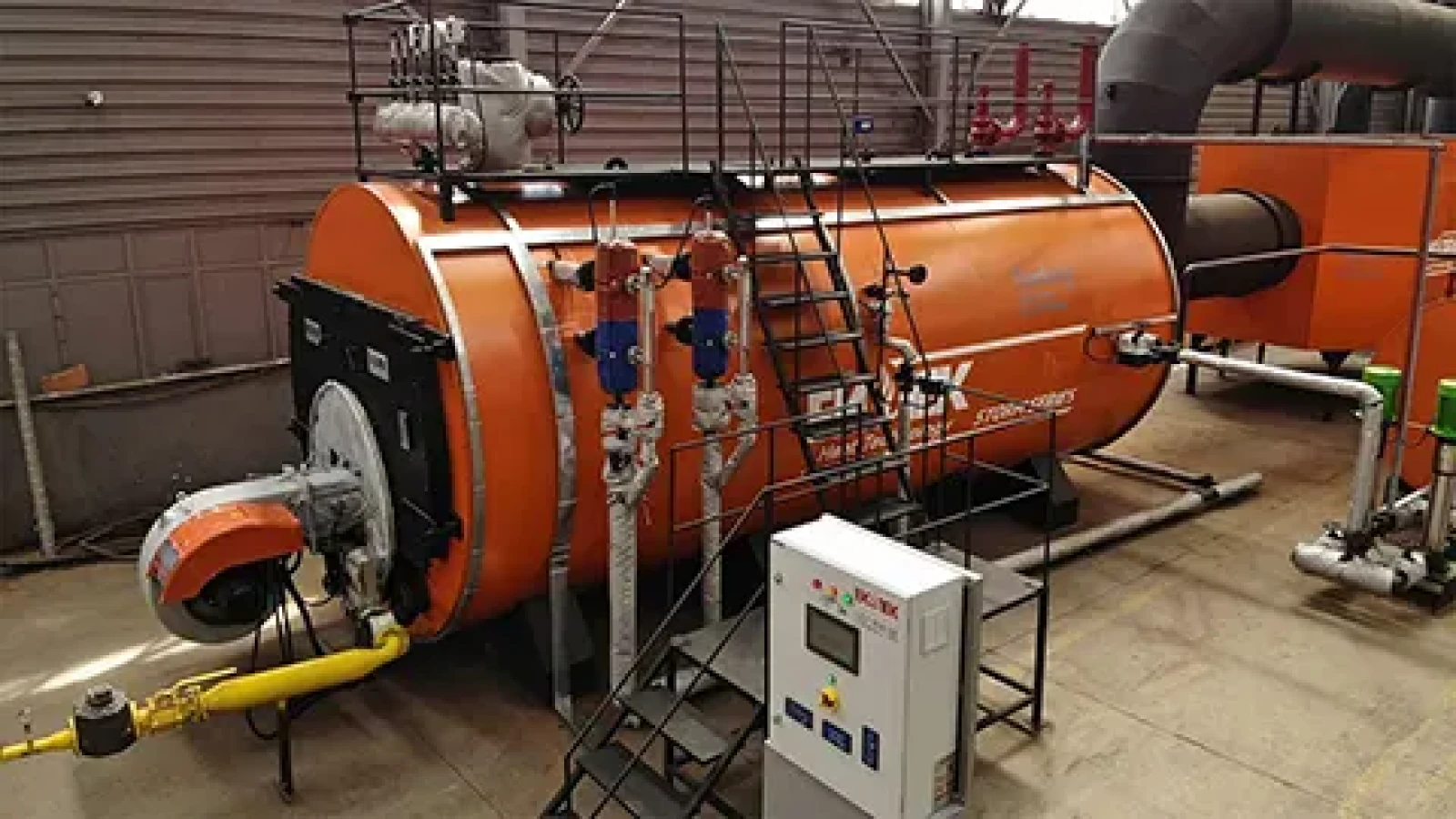
Periodic inspection of steam boilers is the verification — carried out by authorised engineers — that pressurised vessels used for steam generation in industrial facilities still operate at a safety level compliant with legislation, through internal and external examination, safety device testing and pressure trials. Loss of pressure, uncontrolled steam release or a rupture in an uninspected steam boiler can cause the deadliest category of workplace accidents; therefore periodic inspection is a legal duty of the employer.
What Is a Steam Boiler and What Does the Inspection Cover?
A steam boiler is a closed pressure vessel system that heats water above its boiling point using fuel energy or waste heat to generate steam above atmospheric pressure. Boilers are fundamentally divided into fire-tube and water-tube types. The main components covered by the inspection include:
- Boiler shell, headers and tube bundles
- Safety (relief) valves and pressure gauges
- Water level gauges, level control and alarm systems
- Burner, automatic fuel cut-off and low-water safety devices
- Expansion lines, feedwater and saturated steam circuits
What Is Done During the Periodic Inspection?
The inspection is performed step by step within a risk-based plan:
- External examination: Detection of corrosion, deformation and leaks on the shell, weld seams, insulation and paintwork; checking the foundation and supports.
- Internal examination: After cooling and draining, inspection of the furnace, smoke tubes and headers for deposits, corrosion, cracks and wear; non-destructive testing (NDT) where required.
- Safety device tests: Set-pressure check of safety valves, accuracy of pressure gauges, and functional testing of level indicators and alarms.
- Hydrostatic pressure test: Verification of tightness and strength at the pressure defined by manufacturer data and standards (period and necessity determined by assessment).
- Plate thickness measurement: Remaining-life evaluation by ultrasonic thickness measurement at critical corrosion-affected points near welds.
Legislation and Standards
Inspections are carried out under Law No. 6331 on Occupational Health and Safety and the Regulation on Health and Safety Conditions in the Use of Work Equipment. The technical basis is the TS EN 12952 (water-tube boilers) and TS EN 12953 (fire-tube boilers) series, equivalent design codes (ASME Boiler and Pressure Vessel Code Section I) and, for pressure equipment, the 2014/68/EU Pressure Equipment Directive (PED). Unless the relevant standard provides otherwise, periodic controls of pressure vessels and boilers must be performed at least once a year.
Outcome of the Inspection
Upon completion, a periodic inspection report signed by authorised engineers is prepared, stating the compliance status, identified deficiencies and recommendations. Equipment found non-compliant is notified with the conditions to be rectified and a re-inspection plan is scheduled. Flue-gas emissions, ventilation and fire precautions around the boiler house are also considered in the overall assessment.
Related Services
Steam boiler inspections are part of our Periodic Inspection of Pressure Vessels service group. You may also visit our pages for Hot Oil Boiler, Heating Boiler and Boiler (Hot Water Boiler) inspections.
FAQ on Steam Boiler Periodic Inspection

Yes. Under Law No. 6331 and the Work Equipment Regulation, steam boiler inspection runs with the proof test at 1,5 times operating pressure and at intervals never exceeding one year. Boiler Code internal examination yearly, external every two years and hydrostatic test every five years per standards such as TS EN 12953 are also the reference.
Visual and non-destructive examination of the shell, stays and weld regions, thickness measurement where needed; safety valve set-pressure calibration with manual blow-down control, gauge and level indicators, automatic feed-low water alarm-cut chain, burner-fuel ratio and flue gas analysis, water chemistry (salinity-hardness-corrosion-priming) sampling, insulation surface temperature and electrical safety-bonding audit.
The control is made by examination engineers with the regulation-defined competency (from the mechanical discipline); the report is prepared signed and stamped. Authorised service may do repair-maintenance, yet the legal periodic inspection and pressure test report require separate competency. The operator must keep the boiler room's compulsory documents (operator certificate, water specification) and the inspection reports in the OHS file.
Findings such as wall loss below the permitted thickness, a dead safety valve, bulge-wrinkle deformation or a bypassed interlock are flagged critical in the report and the operation receives a written warning for out-of-service-unenergised treatment. A verification control repeats after correction-repair-replacement; for a clean boiler the conformity report closes with the reference baseline values of the next year.